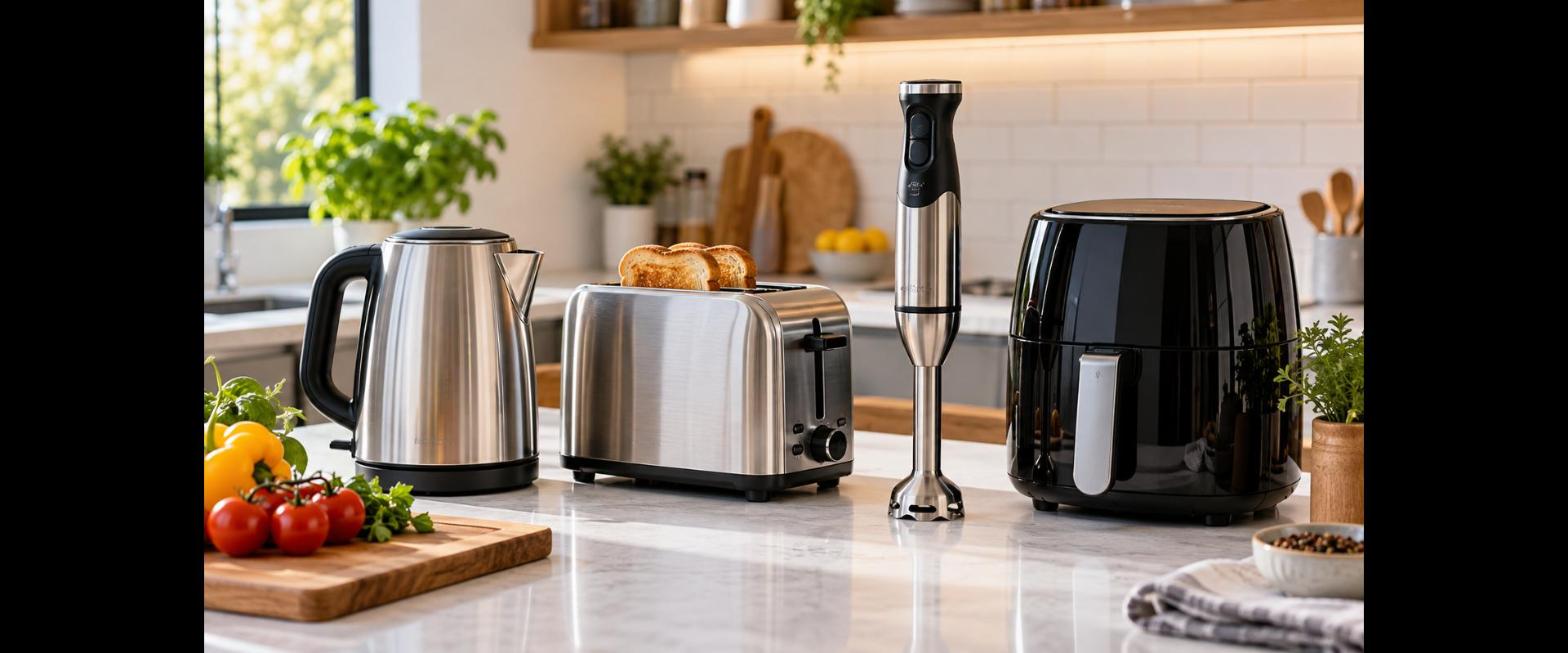
The small appliances that earn counter space in most kitchens are the ones used at least weekly: a kettle or coffee maker, a toaster or toaster oven, a blender (or stick blender), and one cooker that suits how you eat, either an air fryer, a multicooker or a slow cooker. Everything else, bread makers, juicers, waffle irons, spiralisers, is a cupboard appliance at best. A useful rule: if you would not use it once a week, it does not get a socket.
Small appliances by how often they earn their space
| Appliance | Typical wattage | Footprint | Keep on the counter if | Skip if |
|---|---|---|---|---|
| Electric kettle | 1,500 to 3,000 W | Small | You make hot drinks daily | You have a boiling-water tap |
| Toaster / toaster oven | 800 to 1,800 W | Small to medium | Toast most days; oven doubles as a second oven | You own an air fryer oven that toasts |
| Stick (immersion) blender | 200 to 800 W | Drawer | Soups, sauces, small batches | Never |
| Jug blender | 500 to 1,500 W | Medium | Smoothies or frozen blending weekly | A stick blender covers you |
| Air fryer | 1,400 to 1,800 W | Medium to large | You cook for 1 to 4 and want speed | You have a fan oven and rarely use it for small portions |
| Multicooker / pressure cooker | 700 to 1,200 W | Large | Beans, stews, rice weekly | You prefer the hob |
| Food processor | 400 to 1,000 W | Large | You chop, grate or make dough weekly | You cook for one or two |
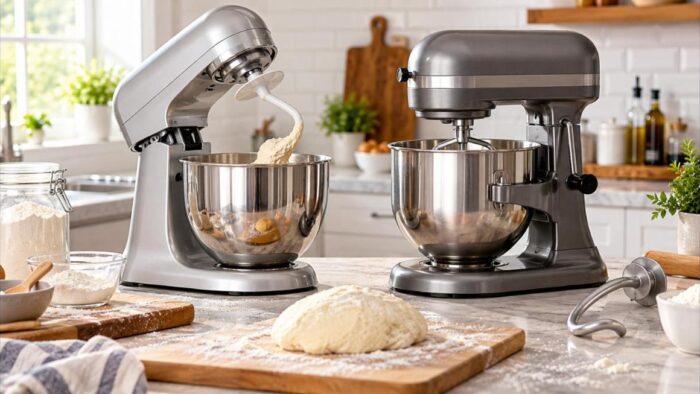
| Stand mixer | 300 to 600 W | Large, heavy | You bake weekly | You bake monthly; use a hand mixer |
| Microwave | 700 to 1,200 W | Large | Reheating daily | Never, for most households |
Check the wattage before plugging two heaters into one socket strip: a kettle and an air fryer together can exceed a 13 A (UK) or 15 A (US) circuit. For the two biggest decisions in the list see the air fryer buying guide and microwave types explained; for where to put it all, kitchen organisation for small spaces.
The genuine essentials
Kettle. Faster and more efficient than heating water on a hob, and useful well beyond tea – blanching, speeding up pasta water, filling a stock pot. Variable temperature models matter if you drink green tea or brew coffee by hand.
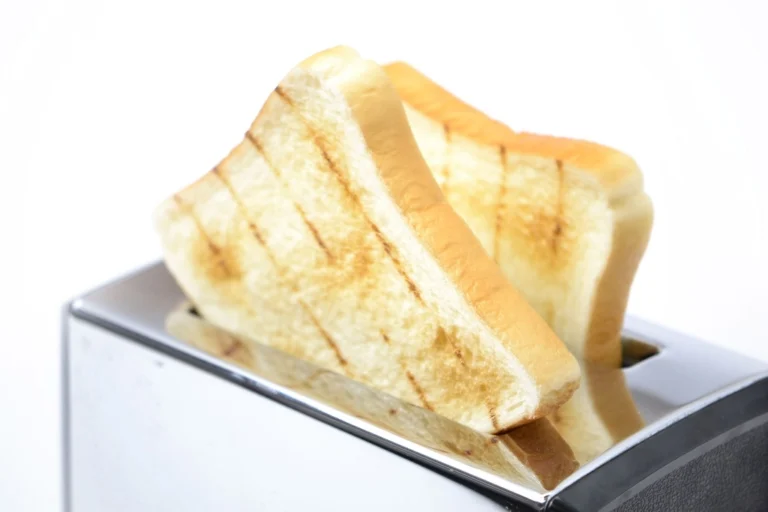
Toaster or toaster oven. A toaster does one thing well and stores small. A toaster oven does more – reheating, small bakes, melting cheese – and for many households replaces the main oven for small jobs, saving significant energy.
Microwave. Unmatched for reheating and defrosting. Whatever else you own, nothing else reheats a plate of leftovers as quickly or as efficiently.
An immersion or stick blender. Cheap, stores in a drawer, blends soup in the pan, makes mayonnaise and smoothies. The highest usefulness per cubic centimetre of any appliance in the kitchen.
Worth it if it matches how you cook
Air fryer. Excellent for reheating anything that should be crisp, for roasting vegetables and for cooking small portions without heating the main oven. Genuinely useful if you cook for one or two; less transformative for large families, where oven trays are more practical.
Stand mixer. Essential if you bake weekly, dead weight if you bake twice a year. A hand mixer covers occasional baking for a fraction of the price and space.
Food processor. Saves real time if you cook from scratch with lots of chopping, grating and pastry. If you mostly cook simple meals, a good knife is faster once washing-up is counted.
Rice cooker or multi-cooker. If rice or pulses feature regularly, a rice cooker is reliable and hands-off. A pressure multi-cooker covers beans, stock and braises in a fraction of the time.
Coffee equipment. Entirely dependent on how you drink coffee. A simple grinder plus a pour-over or French press costs little and outperforms a cheap bean-to-cup machine.
Slow cooker. Cheap, forgiving and ideal if you want dinner ready when you get home. Overlaps heavily with a multi-cooker.
Usually not worth the space
- Single-purpose novelty appliances – quesadilla makers, egg cookers, hot dog rollers
- Bread machines, unless you bake bread several times a week; a stand mixer and an oven do it better
- Juicers, which are used enthusiastically for a month and then cleaned once
- Electric knives, can openers and peelers for most households
- Deep fryers, which take a large volume of oil and considerable cleaning for occasional use
The worktop test
A useful rule: anything used less than once a week goes in a cupboard, and anything that lives in a cupboard will be used less. So before buying, decide honestly where it will live. An appliance that needs lifting out, assembling and washing will not survive contact with a weeknight.
Buying well
Buy the three essentials at good quality and leave the rest until a specific need appears. Measure the space including clearance under wall cabinets – several popular kettles and stand mixers do not fit under a standard 45 cm gap. And check how each one cleans: an appliance with a dishwasher-safe bowl and few crevices gets used far more than one that needs ten minutes at the sink.
A realistic starting set
Kettle, microwave, toaster and stick blender covers the vast majority of everyday cooking. Add an air fryer if you cook small portions, a hand mixer if you bake occasionally, and a rice cooker or multi-cooker if your meals call for it. That is five or six appliances, all used regularly, which is a better kitchen than one with fifteen gathering dust.
When this does not apply
A household that bakes bread daily or juices every morning should ignore the “cupboard appliance” label for that one machine; the rule is frequency, not category.