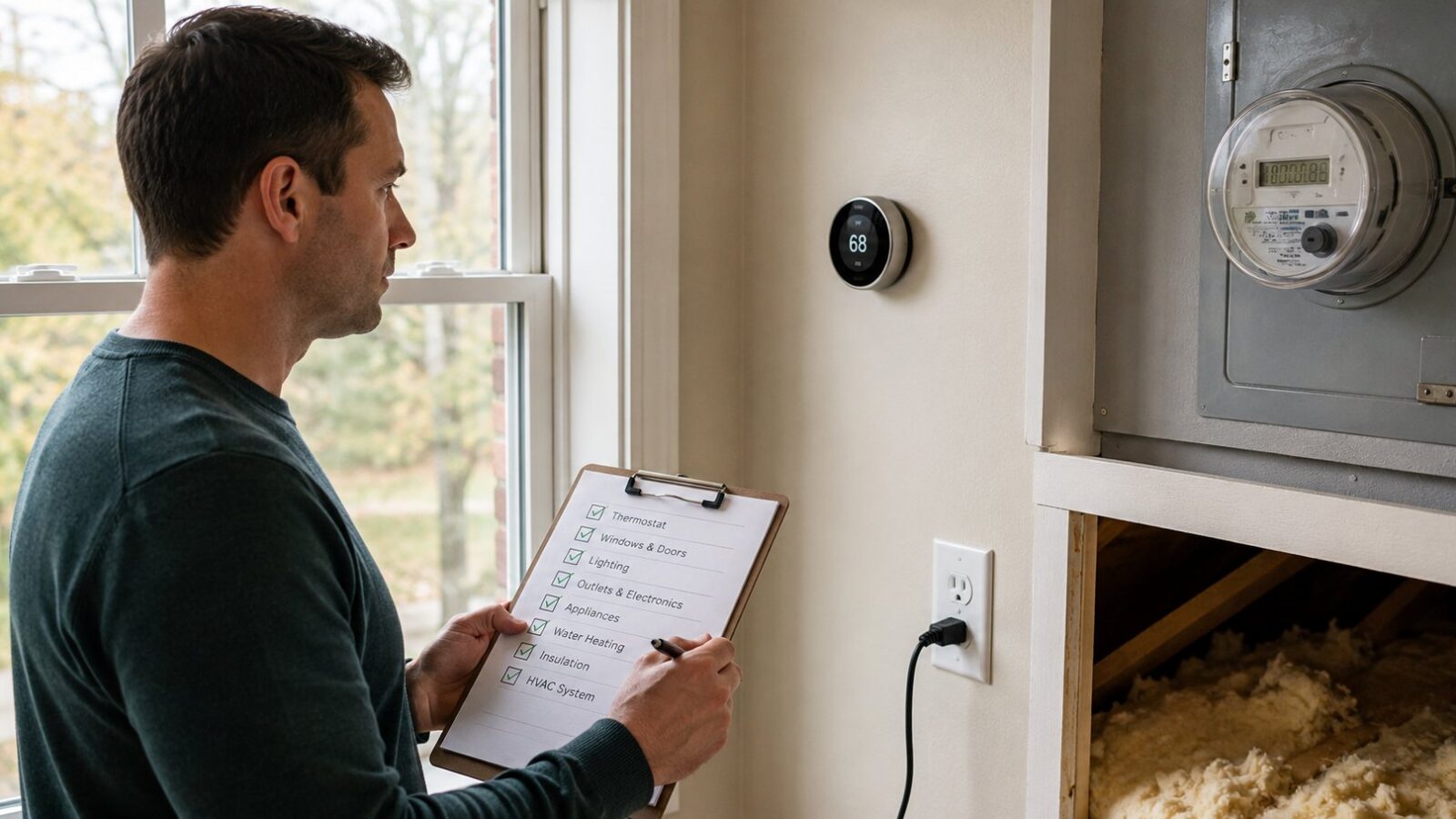
A home energy audit is a structured search for wasted energy, uncomfortable rooms and equipment that works harder than it should. A professional assessment can use specialist tools, but a careful household walk through is still useful for deciding what deserves attention first.
Renters and homeowners have different boundaries, so the checklist separates changes that are easy to reverse from work that may require permission or a contractor.
Collect twelve months of bills
Gather electricity, gas or other fuel bills and note seasonal peaks. Compare use, not only cost, because tariff changes can make a stable household look less efficient. If the utility provides daily or hourly data, look for consumption while the home is empty or asleep.
Do not compare one home directly with a neighbour’s without accounting for size, occupancy, climate, equipment and working from home.
Walk the home on a windy or very hot day
Comfort problems are easiest to detect when indoor and outdoor conditions differ. Note drafts, hot rooms, cold floors, condensation and areas where heating or cooling runs without reaching the desired temperature.
Use your hand and observation rather than an open flame to search for drafts. Check around doors, window frames, service penetrations, loft hatches and skirting. A professional can use blower door testing to locate leakage more precisely.
Doors and windows
Renters can
- Report damaged seals, loose frames and windows that do not close properly.
- Use removable draft blockers or approved temporary window treatments.
- Close curtains or shades strategically while avoiding blocked heaters and ventilation openings.
Homeowners can also consider
- Weatherstripping moving parts.
- Caulking suitable stationary gaps.
- Repairing damaged frames before replacing whole windows.
- Evaluating energy efficient coverings or storm window options.
The caulking guide focuses on wet areas, while exterior air sealing requires products and methods suited to building movement and weather.
Heating and cooling
Check filters, supply vents and return grilles according to the equipment manual. Furniture, rugs and curtains should not block airflow. Listen for short cycling, unusual noise or rooms that never reach the set temperature.
Review thermostat schedules against the household’s real routine. A connected thermostat is not automatically efficient; it must be compatible with the system and programmed well. See whether a smart thermostat fits your home.
Hot water
Look for dripping taps, long waits for hot water and uninsulated accessible pipes where insulation is permitted and appropriate. Check the water heater for leaks, corrosion or unusual sounds. Do not open covers or change safety controls unless qualified to do so.
Shorter hot water runs, efficient fixtures and prompt leak repair may reduce both water and energy use.
Appliances and electronics
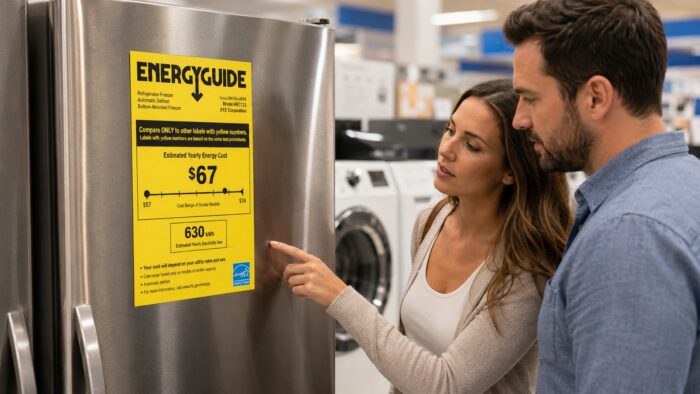
Use a plug in energy monitor for suitable appliances if you want to identify standby consumption. Do not use a monitor outside its rating or with hard wired equipment.
Prioritise old equipment that runs many hours, such as refrigerators, freezers, dehumidifiers and heating or cooling devices. Small chargers usually deserve less attention than an inefficient appliance operating continuously.
Lighting
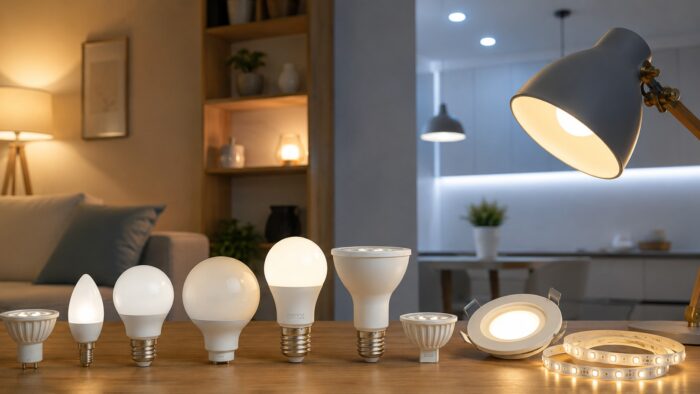
Count bulbs that remain on for long periods and note rooms with more light than needed. Replace failed or frequently used bulbs with suitable efficient alternatives rather than discarding working bulbs simply to complete a whole house change.
Controls, daylight and good placement can reduce use as effectively as buying brighter fixtures. The living room lighting guide shows how several modest sources can replace one harsh central light.
Insulation and moisture
Uneven temperatures, ice dams in cold climates, very hot ceilings or visible gaps may suggest insulation issues. Moisture staining, mould or musty odours must be investigated before insulation is added. Sealing a building without considering ventilation can create indoor air problems.
Homeowners considering major air sealing or insulation work should use a qualified professional who can assess ventilation, combustion safety and moisture.
Rank improvements by evidence
- Fix active leaks, electrical hazards and equipment faults first.
- Handle low cost maintenance such as filters, settings and blocked vents.
- Seal confirmed gaps with the correct material.
- Improve controls and operating habits.
- Get quotes for insulation, equipment or window work only after the cause is understood.
When a professional audit is worthwhile
Consider a professional assessment when bills are unusually high, rooms remain uncomfortable, major upgrades are planned or the home has combustion appliances and significant draft problems. Ask what tests are included, how recommendations are prioritised and whether projected savings are based on local conditions.
Keep a before and after record
Photograph defects, record settings and compare energy use over similar weather periods after improvements. Comfort, humidity and noise may improve even when the bill change is modest.
An audit should lead to a short, evidence based list, not a shopping spree. Start with safety and maintenance, then invest where the building and bills show a real need.